
Dillenia indica
Elephant Apple, Indian catmon, Hondapara Tree
Description
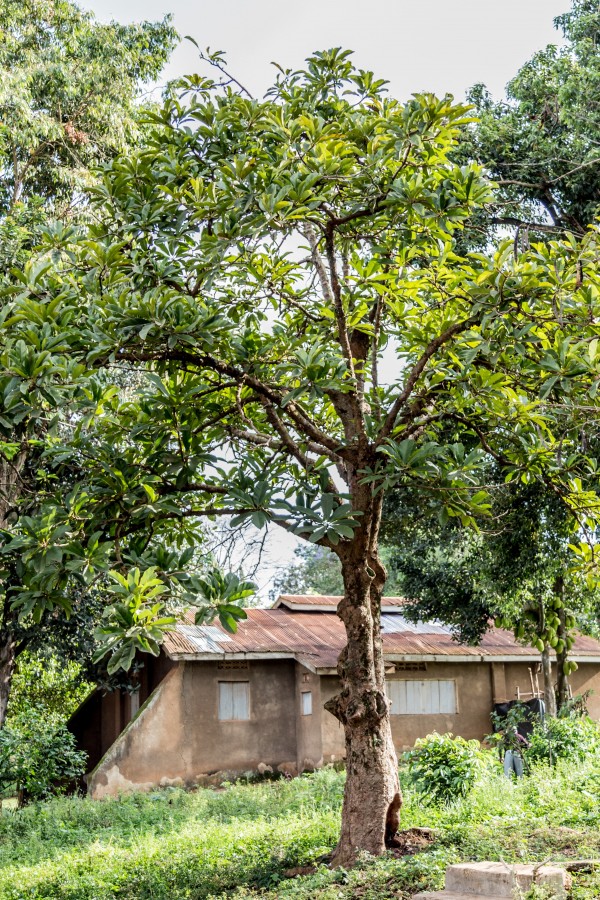
Elephant apple is a very ornamental evergreen tree with a rounded crown, that can grow up to 30 meters tall, though is usually smaller. The bole can be 120cm in diameter, often branching from low down.
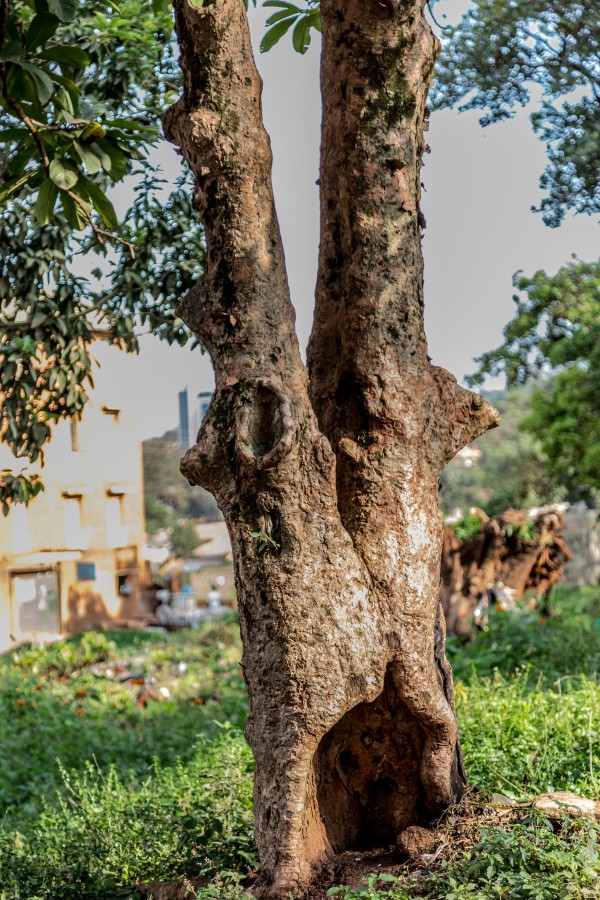
BARK: It’s peeling and flaky bark is reddish brown in color
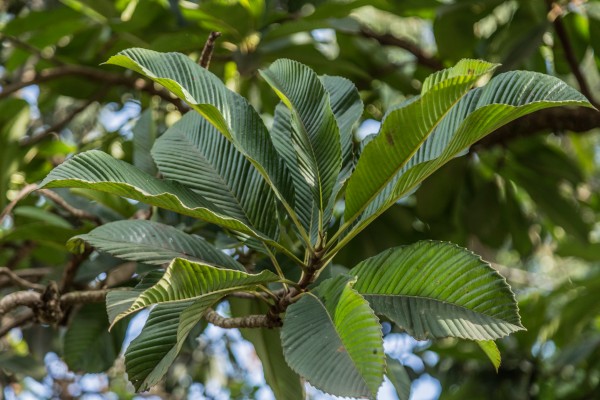
LEAVES: Its alternate, stalked leaves have toothed leaf blades that are 10-35 by 5-13 cm, with many parallel secondary veins. Leaves are leathery with prominent lateral veins
FLOWERS: 15-20 cm wide, with yellowish-green sepals, and white petals, opening at night and fading by noon.
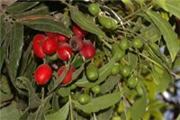
FRUIT: round, large, greenish yellow, have many seeds. The fruit is a 5-12 cm diameter aggregate of 15 carpels, each carpel containing five seeds embedded in a fibrous pulp.
Uses
Edible: fruits, flowers. http://tropical.theferns.info/viewtropical.php id=Dillenia+indica
Medicine: Fruit, bark, leaves. http://tropical.theferns.info/viewtropical.php id=Dillenia+indica
The fruits can be rubbed in water to make a soap.
The pulp is used as a hair wash.
The leaf juice is applied to the scalp to prevent baldness.
The dried leaves are used to polish ivory.
The wood ash is added to clay bricks to increase their fire resistance.
The wood, which is moderately hard and has a durability under water of around 3 years, is sometimes used for house-building or gunstocks.
It is suitable for gardens, parks, streetscapes (not too near the road, as the fruits are big, round and heavy), and riverine parks.
Ecology
Elephant Apple is native to forest river banks across tropical Asia to South Eastern Asia, from India and Sri Lanka East to South Western China and Vietnam, and south through Thailand to Malaysia and Indonesia. Trees grow well in humid, warm climates and in full sun. It prefers a mean annual rainfall in the range 3,000 - 4,000mm, but tolerates 2,000 - 5,500mm. It prefers a sunny position, but plants can stand shade very well - vigorous saplings have been found in dense shade. It prefers a well-drained sandy loam and grows best in a rich, slightly acid soil. In Kampala, this tree can be found around Makerere University.
Tree gallery