Acacia xanthophloea
Sulphur bark,Naivasha thorn tree, Fever tree
Description
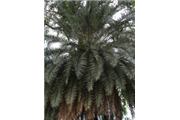
A large tree, 15-25 m tall, with a crown that is somewhat spreading, branching fairly up the trunk.
BARK : smooth, slightly flaking, yellow to greenish-yellow. New twigs purple tinged but flaking later to reveal the yellow underlayer.
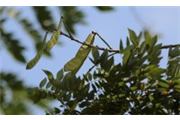
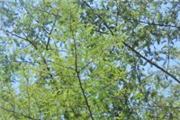
LEAVES: 4 (max. 10) cm long with a hairy midrib. Pinnae 4-7 pairs, about 10-17 pairs of small leaflets. Stipules spinescent, spines white, straight, up to 7-10 cm in length, paired, often slender and conical at the base.
FLOWERS: Bright yellow, golden, ball-like flowers which are sweetly scented are borne in clusters on shortened side shoots at the nodes and towards the ends of branches.
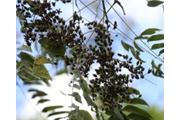
FRUITS: Pods 5-19 cm long, pale brown, straight, flat, rather papery, moniliform with segments mostly longer than wide, usually breaking into segments containing individual seeds borne in small clusters. Pods turn from green to pale greyish-brown when mature. Each pod contains 5-10 elliptic, flattened seeds, pale to dark green.
Uses
Agroforestry: foliage and pods provide fodder to animals, provides bee forage (apiculture), used in erosion control, fixes atmospheric nitrogen, can be planted as live fences, grown in hedges.
The tree can be used for firewood.
The tree provides make poles and posts.
The wood provides valuable timber.
An ornamental and a shade tree.
Medicine: roots and bark. https://www.prota4u.org/database/protav8.asp g=pe&p=Acacia+xanthophloea+Benth.
Ecology
Fever tree occurs from Somalia south to northern South Africa and Swaziland.It grows near swamps, riverine forests or at lakesides and is able to tolerate several degrees of frost. It grows in semi-evergreen bushland and woodland in areas with a high groundwater table and often forms dense stands in seasonally flooded areas. This tree is popular amongst birds for nest building as the thorns add extra protection against predators such as snakes. In Kampala, this tree can be found at Buganda road among other places.
Management
Fast growing. Lopping.
Tree gallery
.jpg)