
Tipuana tipu
Tipu tree, Pride of Bolivia, Race-horse tree, Rose wood, Tipuana, Tipuana tree, Yellow jacaranda
Description
A spreading tree quickly reaching 15 m tall, and capable of growing up to 30 m or more in height.
BARK: reddish brown bark on the main trunk is rough and fissured.
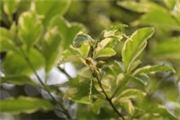
LEAVES: Pinnately compound leaves, 11 to 21 oblong leaflets, light green in color; medium texture.
FLOWERS: yellow to apricot pea shaped flowers.
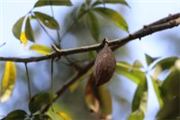
FRUITS: samara-like 1 to 3 seeded winged pod. It has a hard rounded base and a large thin wing (4-7 cm long) that causes the fruit to rotate as it falls to the ground. These fruit turn from green to pale brown in color as they mature.
Uses
Agroforestry: its fast growth makes it a valuable species for reforestation and soil conservation projects, whilst it is also planted to provide shelter from the wind.
A valuable timber, the wood is used for furniture and cabinet making
The wood is used for fuel and charcoal.
An ornamental tree.
Ecology
Tipu tree is native to South America. It prefers a mean annual rainfall of 700 - 900mm, tolerating 600 - 1,000mm and can succeed in more humid areas with a mean annual rainfall in excess of 2,500mm. It tolerates a wide variety of soils, including black cotton, but prefers a medium clay-loam. Established plants are drought resistant. In Kampala, this tree can be found in Makerere University among other places.
Management
Fast growing, coppicing, pruning.
Tree gallery
.jpg)
.jpg)
.jpg)
.jpg)
.jpg)