Persea americana
Avocado, Avocado pear, butter fruit, Alligator pear
Description
A densely leafy evergreen medium to large tree, 9-20 m in height with a straight trunk.
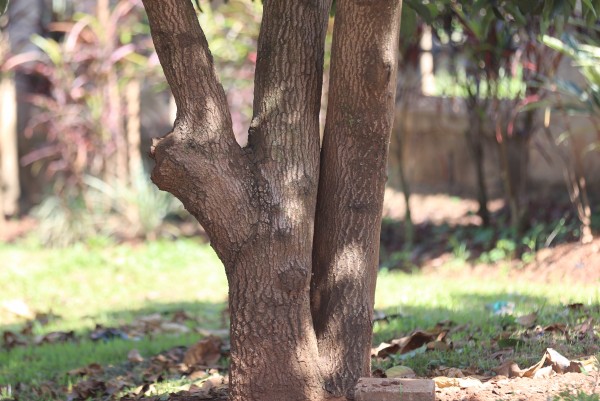
BARK: grey-brown.
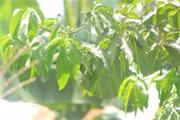
LEAVES : large, oval and alternate, to20 cm long, shiny dark green above, veins very clear, young leaves pink then bright green.
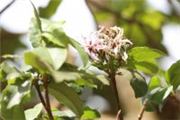
FLOWERS: in large terminal heads, pale-yellow, only 1 in 5,000 producing fruit.
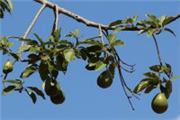
FRUIT: large, round topear shaped, to 25 cm long, hanging heavily on the tree, thecentral seed surrounded by a thick layer of yellow-green flesh. Theouter skin varies from green to purple.
Uses
Edible: fruit.
Agroforestry: provides fodder for the animals, provides bees forage (Apiculture).
Provides timber which is used for house building (especially for house posts), light construction, furniture, cabinet making, agricultural implements, carving, sculptures, musical instruments, paddles, small articles like pen and brush holders, and novelties. It also yields a good quality veneer and plywood.
The pulp and the seeds contain fatty acids that are used by the cosmetic industry in soaps and skin moisturizer products. http://www.worldagroforestry.org/treedb/AFTPDFS/Persea_americana.PDF
Medicine: seeds, leaves, and the skin of the fruit. http://www.worldagroforestry.org/treedb/AFTPDFS/Persea_americana.PDF
The unripe fruit is poisonous and the ground-up seed mixed with cheese is used as a rat and mouse poison.
Watery extracts of the avocado leaves contain a yellowish-green essential oil.
Provides shade.
Ecology
A well-known fruit tree indigenous to tropical America and occurring from montane forest to coastal lowlands. In Uganda itis grown in all moist areas. In Kampala, Persea americana can be found within Uganda Golf course club, Makerere university, along Lugogo bypass, Jinja road, Buganda road among other places.
Management
Requires no management once established; can be side-pruned to obtain a desired shape.
Tree gallery
.jpg)
.jpg)
.jpg)
.jpg)