Casimiroa edulis
White sapote, Mexican-apple, White sapote, Casimiroa, Sapote blanc
Description
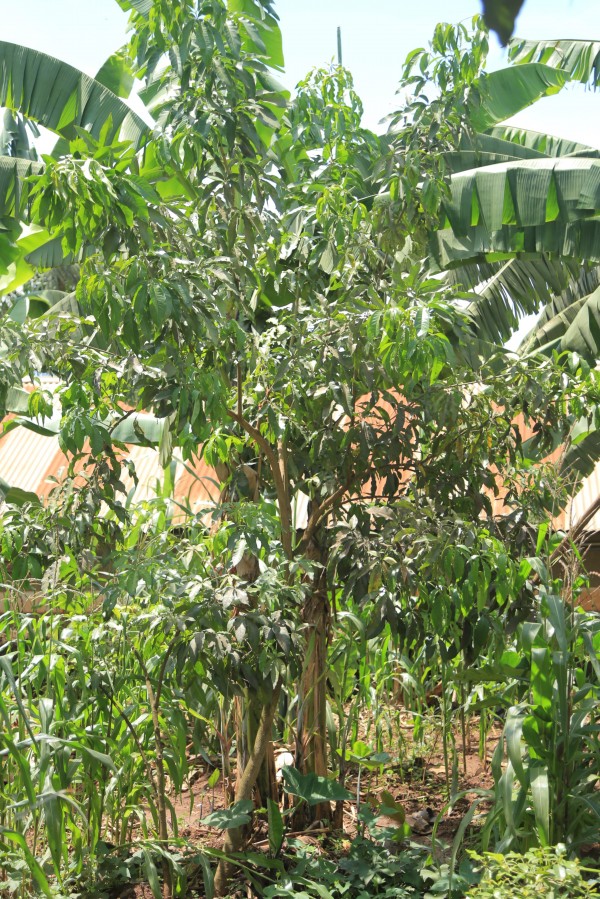
Small to medium-sized spreading or erect, evergreen tree reaching 10-18 m in height.
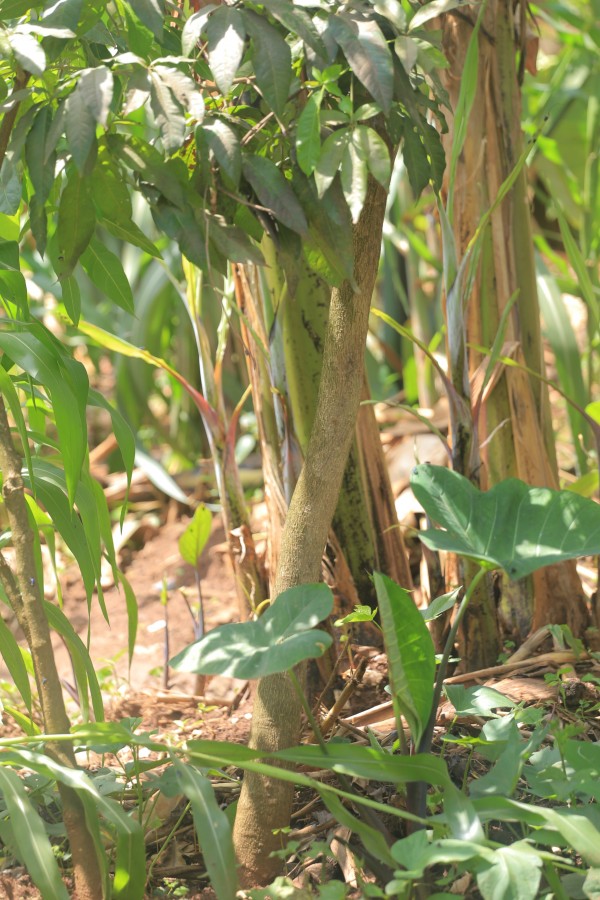
BARK: smooth, first bright green, later ash-grey or pale brown.
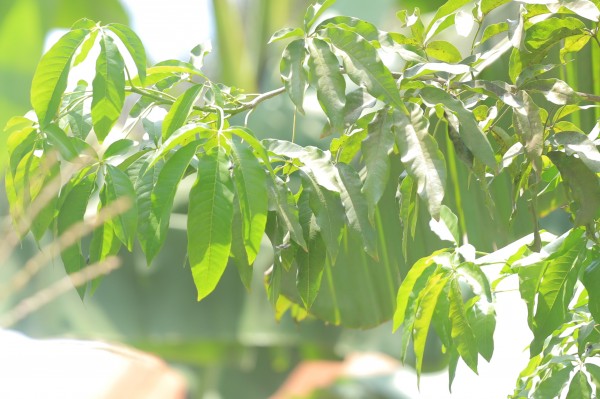
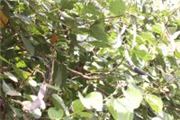
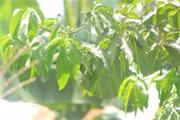
LEAVES: alternate and compound with 3 5 lobes, each long oval and shortly stalked to the center, surface shiny green, small pale green to cream colored.
FLOWERS: small, green-white-yellow in loose heads beside leaves, 5 petals.
FRUIT: green and rounded at first ripening green-yellow, with soft skin and sweet white pulp around 2–5 large dark seeds, 8–10 cm across.
Uses
Medicine: leaves, bark, fruit and seeds. http://tropical.theferns.info/viewtropical.php id=Casimiroa+edulis
Extractions from the kernels are an attractive and lethal bait for American cockroaches, having the advantage of killing on the spot rather than at some distance after ingestion of the poison.
Edible: fruit can be eaten raw or cooked, fruit can be used as a flavoring for dairy products such as milkshakes and ice-cream.
Can be planted as an ornamental.
The wood is occasionally employed in carpentry and for domestic furniture.
Agroforestry: can be planted as a wind break, bee forage.
The wood is a source of firewood.
Ecology
White sapote is native to Central America north to Mexico. It is found in subtropical deciduous woodlands and low forests. It is also found in Dryish highland forests at elevations of 600 - 1,000 meters.
Management
Fast growing. Regular (4 - 6 times per year) light pruning is required for the more vigorous types during the first two years to obtain adequate branching without delaying fruiting too much.
Tree gallery