Erythrina excelsa
Luganda:Mubajangabo Rukonjo: Mulungula,mulungulu.
Description
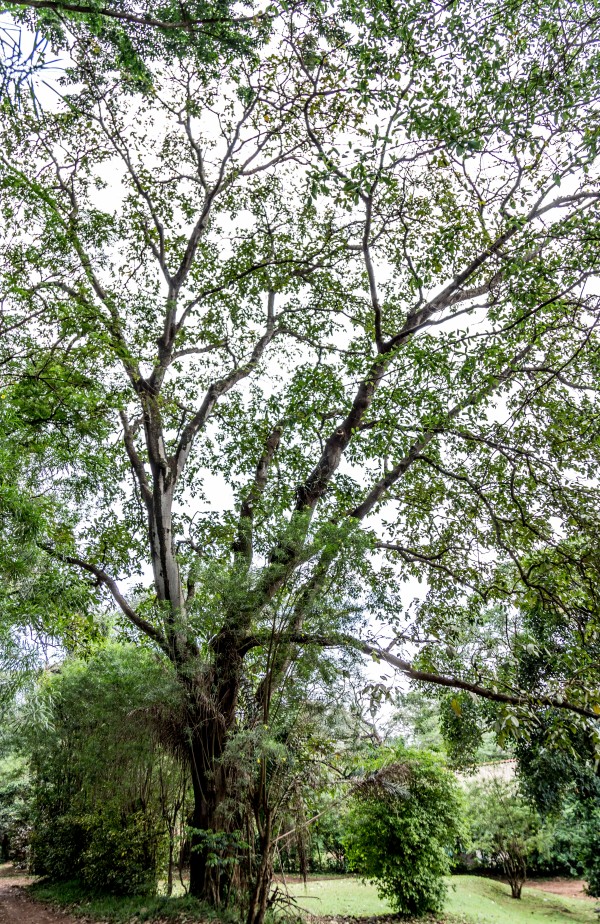
A deciduous tree which can reach 30 m with a bole to 20 m which bears strong woody conical spines.
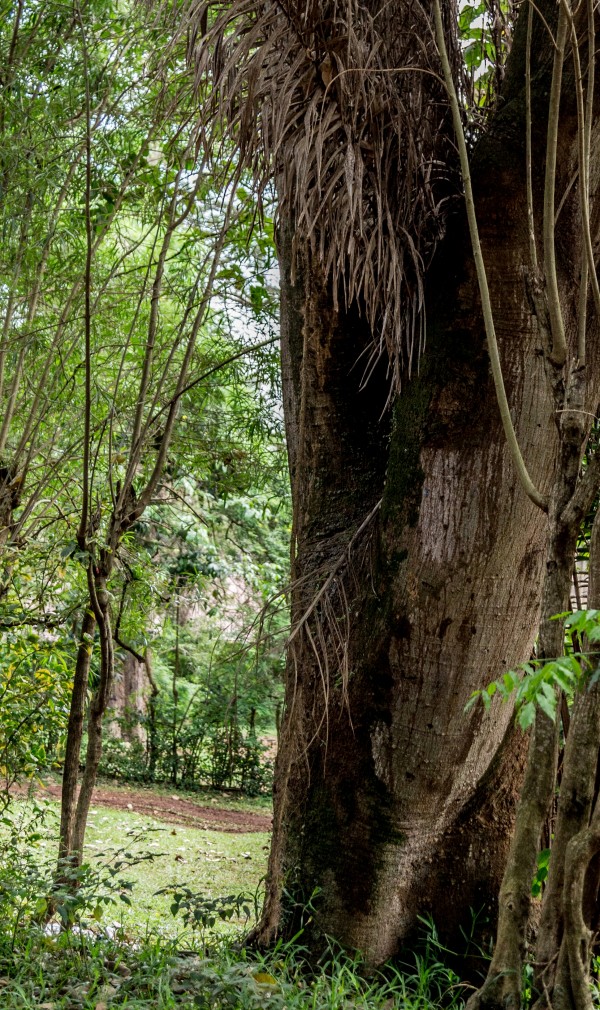
BARK: smooth and pale, yellow when cut. Main stems often have tiny sharp thorns and branchlets and leaf stalks may or may not have prickles.
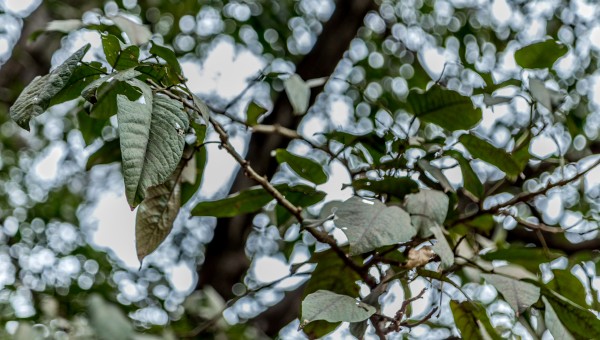
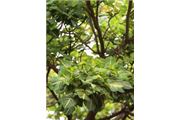
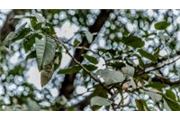
LEAVES : 3 leaflets, variable in size, usually 12 cm long and 7 cm across (larger in young trees), the middle leaflet widest, lateral leaflets one-sided oval, all with yellow-brown hairs when young. Prominent glands on stalk below central leaflet and below laterals. Main stalk 4-21 cm.
FLOWERS: appearing on the bare tree in stiff one-sided heads 7-28 cm, the large standard petal dull orange to red, the calyx orange also and split to form a spathe which has two acute teeth at the tip; stamen tube also red.
FRUIT: stalked pods, woody and twisted, very markedly constricted between some seeds, olive-brown, smooth and hairy to 20 cm long breaking open completely, twisting as it opens, to set free 1-10 seeds each orange-red, somewhat angled, about 1.5cm with a white hilum.
Uses
Medicine: bark sap, bark . http://tropical.theferns.info/viewtropical.php id=Erythrina+excelsa
Agroforestry: cuttings are used for planting as living fence material, fix atmospheric nitrogen, leaves can be used as mulch, can be used as a shade tree for coffee and cocoa plantations, flowers are a good source of nectar for bees.
The wood is used for making drums, and is also used for stools, shields, mortars and carving for the tourist industry.
The wood is used as fuel wood and for making charcoal.
An ornamental tree.
Ecology
Erythrina excelsa is indigenous to Uganda. A tree of swamp and riverine forest and lake shore forest in West and Central Africa. In Uganda is grows in Central, Western and North Western Regions and is common in the Lake Victoria belt forest.
Management
Very fast growing; pollarding.
Tree gallery