Grewia mollis
Ateso: Eparis Luganda: Mukoma, mukomakoma Lugbara: Nzu, onju Lugwe: Nabwor Luo A: Pobo Luo J: Omokoma Luo L: Opobo Lusoga: Lukomakoma Madi: Enzu Runyoro: Mukoma, mukomakoma.
Description
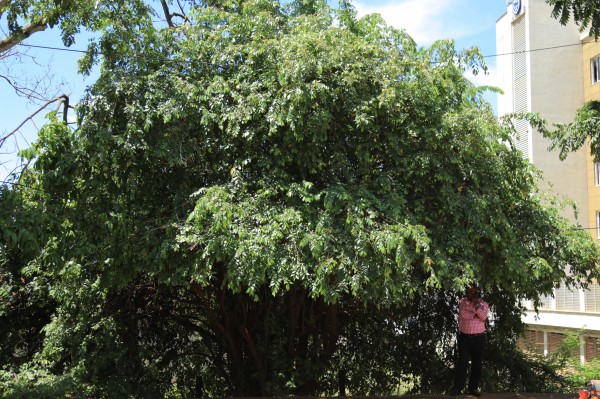
A shrub or small tree 1.5-9.0 m, often multi-stemmed, with spreading hairy branches, twiggy at the tips, often purple on drying.
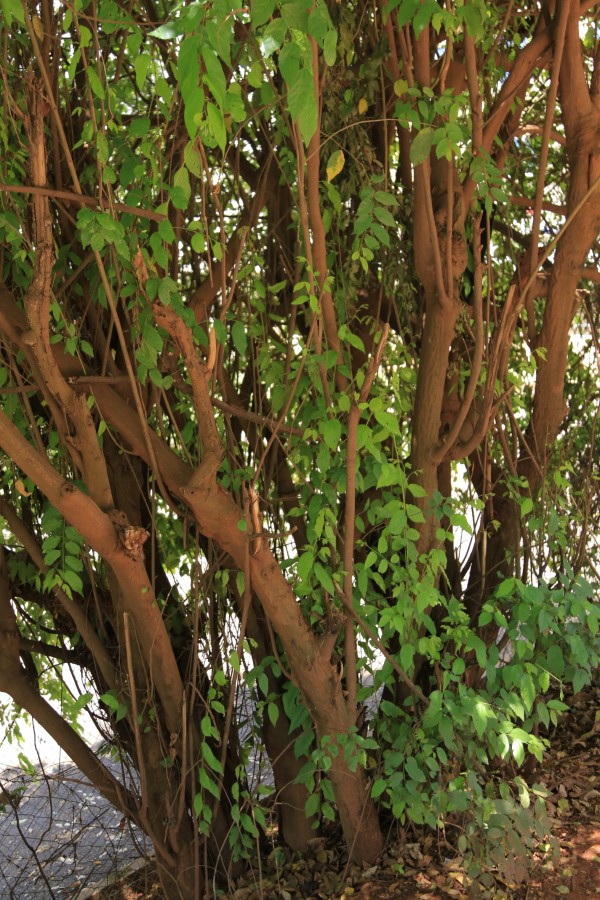
BARK : black and rough, thick and flaky, deeply fissured, a yellow-green fibrous undersurface.
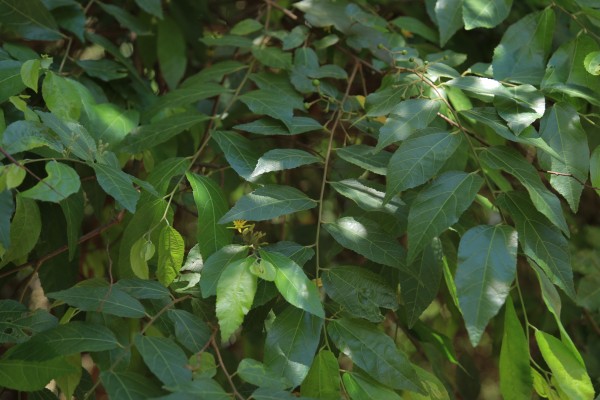
LEAVES: pale green above but grey-white silky hairs cover the lower surface, long oval 4-18 cm and 2-6 cm wide, 3 veins from the base, side veins clear and the parallel veins between, edge clearly toothed, sometimes double-toothed, tip pointed, sharply stalked.
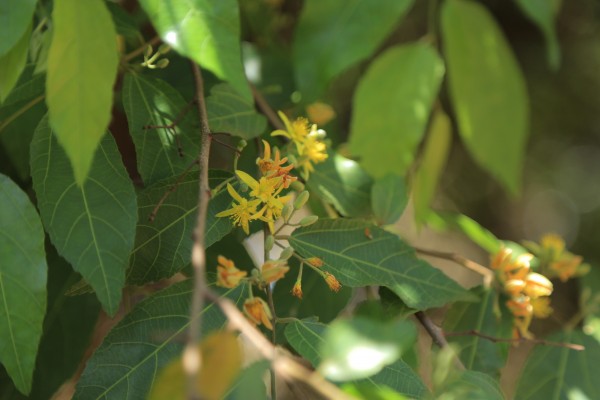
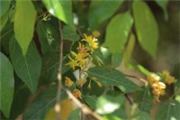
FLOWERS: beside leaves on 1-3 stalks over 1 cm long, each with 2-3 flowers, the 5 sepals about 1 cm long are hairy outside and enclose 5 smaller yellow petals. Many surrounding stamens enclose the hairy central ovary. Flowers in May-August and fruits August-October.
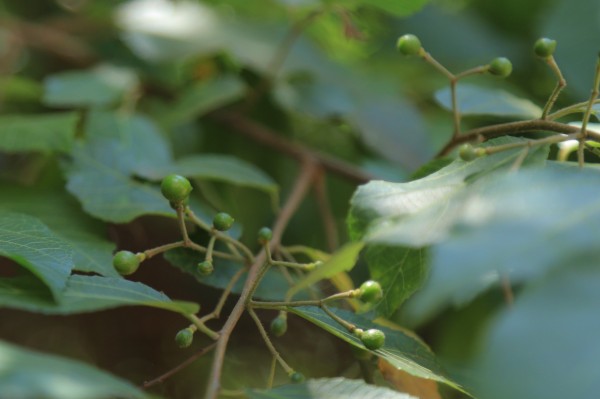
FRUIT: 1-2 rounded lobes, slightly hairy and sharply tipped, each 5-7 mm, black and edible when ripe.
Uses
Edible: fruits can be eaten raw or boiled as a snack, the mucilaginous (sticky) leaves are used in soups, young leaves are cooked as a vegetable, the flowers, buds and young shoots are added to soups and sauces, dried flowers are used in sauces, mucilaginous bark is eaten in soups, bark is dried and ground and then mixed with bean-meal to make cakes, powdered bark is also used as a thickener in soups, the ashes from the wood are used in the manufacture of salt.
Medicine: the bark, leaves, the roots, the fruit, and the sap from root-shavings. http://tropical.theferns.info/viewtropical.php id=Grewia+mollis
A fiber obtained from the bark is made into cordage.
Mucilage from the bark is used as a hardener for floors and walls. A bark maceration is applied to give a smooth surface to mud walls, floors and stoves.
The leaves can be crushed, mixed with water and used as a shampoo against head lice.
The wood is used locally for items such as house construction, bed frames, walking sticks, tool handles, clubs, bows and arrows, shields, spear shafts and whips.
The wood is also used for fuel and is made into charcoal.
Ecology
Grewia mollis is indigenous to Uganda. One of very many Grewia found in drier parts of East Africa. It occurs in areas with annual average rainfall of 600 1400 mm, from sea-level in West Africa up to 2200 m altitude in East Africa, in forest, open woodland, riverine thicket, Acacia-Combretum wooded grassland, and on anthills in seasonally flooded grassland. In Uganda, this species is found in wooded grassland along rivers and savannah woodland. It is often gregarious, with branch-suckering leading to the formation of thickets. In Kampala, Grewia mollis can be found at Kitante courts among other places.
Management
Slow growing; coppicing, pollarding. Initial care is necessary for establishment.
Tree gallery