Garcinia mangostana
Mangosteen, Manggis, Mesetor, Sementah, Semetah, purple mangosteen
Description
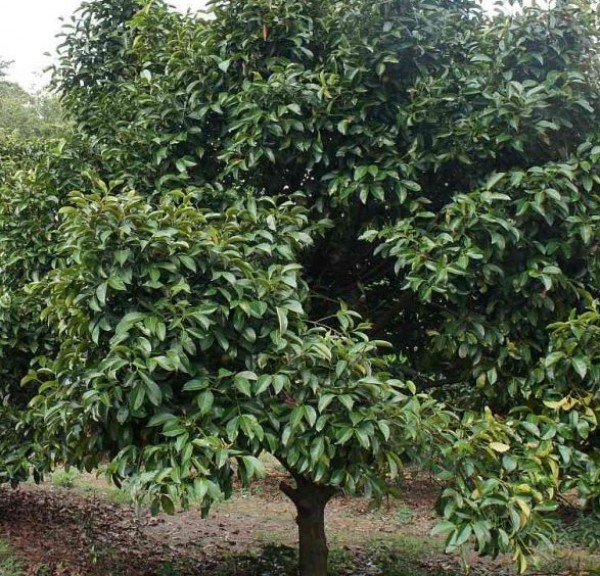
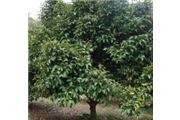
A small evergreen tree with a pyramidal crown. It can grow up to 25 metres tall, but is usually much smaller, especially in cultivation.
BARK: new bark is bright green and smooth, becoming dark brown and rough with age.
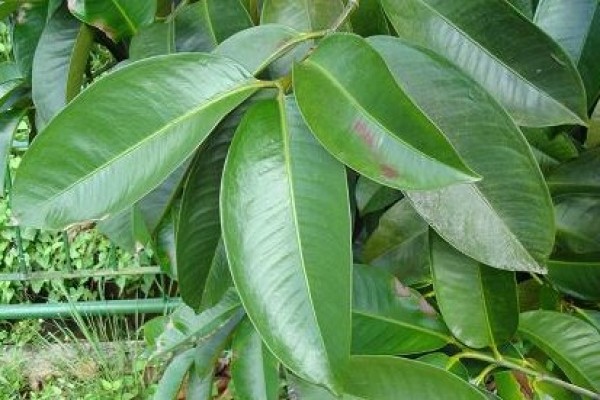
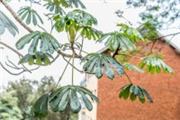
LEAVES: dark green, glossy, 15–25 cm (6–10 inches) long, borne in opposite pairs along the stem. Large leaves are elongated with smooth margins.
FLOWERS: large rose-pink flowers.
FRUIT: dark purple, round crowned by thick, persistent calyces (the outermost layer of the flower).
Uses
Edible: fruit, seeds. http://tropical.theferns.info/viewtropical.php id=Garcinia+mangostana
Medicine: leaves, bark, fruit, root. http://tropical.theferns.info/viewtropical.php id=Garcinia+mangostana
The fruit rind is a source of tannins. The tannins can be used as a black dye.
The twigs are used as chew sticks.
The fruit hulls show anti-fungal and anti-protozoal activity.
The wood is used in construction and cabinetwork, to make handles for spears and rice pounders.
Ecology
Mangosteen is native to Indo-china, Malesia. It is an ultra-Tropical plant, usually only grown in areas without a dry season and within 10 degrees of the equator. It is usually grown from sea level up to 1,000 metres elevation, but the growth rate is higher in lowland areas. The tree is mostly known from cultivation, but is also probably wild on hillsides and ridges in undisturbed mixed dipterocarp forests at elevations up to 200 metres. It succeeds in full sun and in light shade, requires a good, deep, rich organic soil that retains moisture but is also well-drained. It grows best in a fertile clay with good drainage and prefers an acid soil.
Management
Slow growing.
Tree gallery