
Ficus asperifolia
sandpaper tree
Description
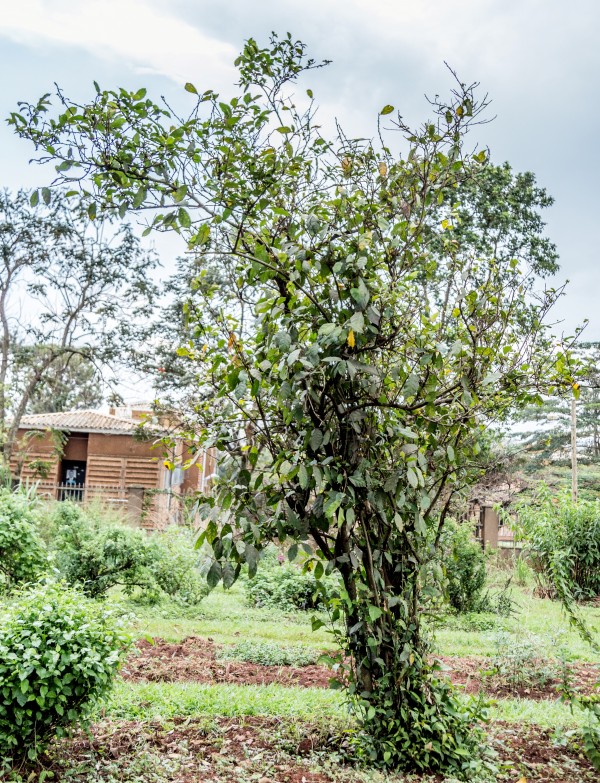
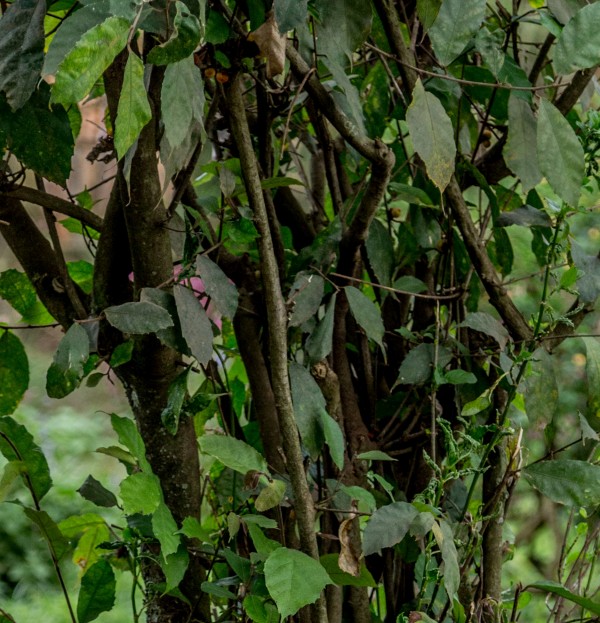
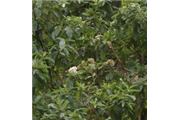
A small or average size tree, terrestrial or epiphyte, which can reach 20m in height.
BARK:
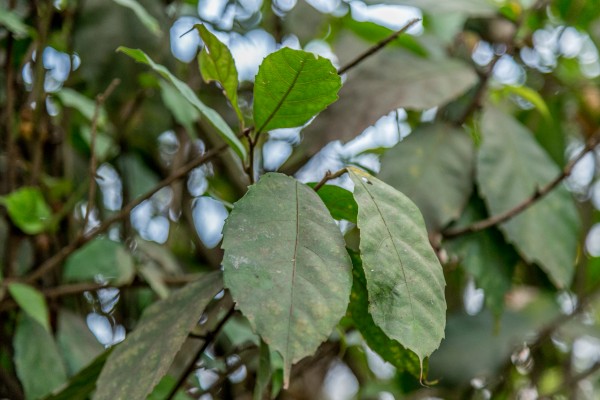
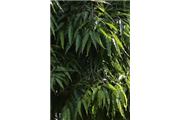
LEAVES: very variable in shape, mostly asymmetric at the base; lateral veins in 3-10 pairs; lamina papery, rough to the touch.
FLOWERS: Male flowers not seen. Female flowers are subsessile; perianth-segments linear, acute, slightly ciliate; achene obliquely ellipsoid; style lateral, slender, with a reddish stigma.
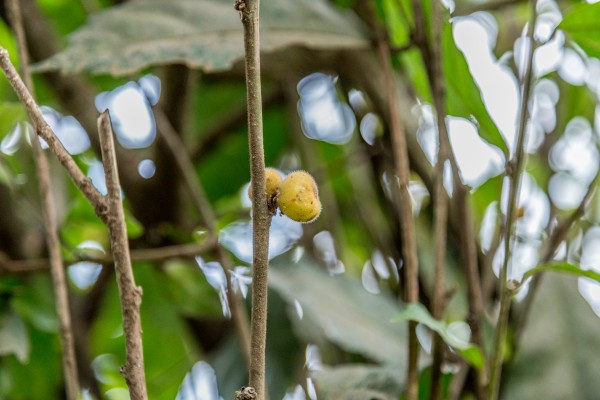
FRUITS: Figs 1–3(5) together in the leaf axils or just below the leaves, sometimes on the older wood; peduncle (5)8–15 mm. long; bracts 2–4, small, scattered on the peduncle, 2–4 similar bracts on the receptacle outer surface; receptacle depressed globose to obovoid, dark red to orange or yellowish at maturity.
Uses
Edible: Leaves. http://tropical.theferns.info/viewtropical.php id=Ficus+asperifolia
Medicine: Root, root and stem bark, wood ash or charcoal, sap from the bark and leaves, ash of stem bark, leaves, young stem, leafy shoot, fruit. http://tropical.theferns.info/viewtropical.php id=Ficus+asperifolia
The coarse leaves are sometimes used as sandpaper.
Ecology
Ficus asperifolia is found in Nigeria, Senegal, Uganda, Tanzania, Natal (South Africa), Madagascar and Cameroon. Ficus asperifolia is abundant in the savannah regions, especially along riverbanks and marshy areas at an altitude of up to 1100 m. In Kampala, this tree can be found at Makerere University among other places.
Tree gallery