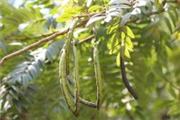
Cupressus nootkaensis
Alaska Cedar, Yellow Cedar, Nootka Cypress, Nootka Falsecypress, Alaska cypress
Description
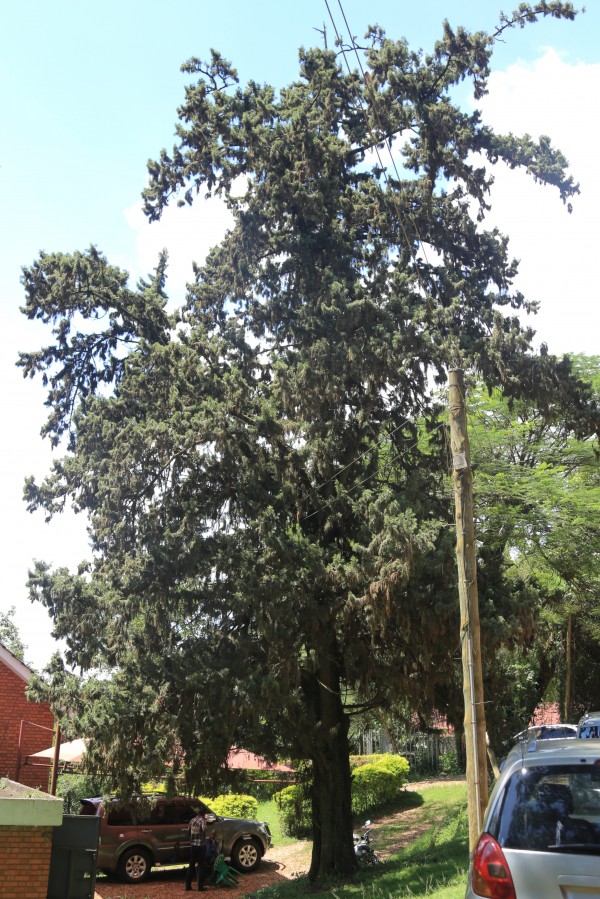
A large evergreen coniferous tree growing to 20-40 m (exceptionally 60 m) tall.
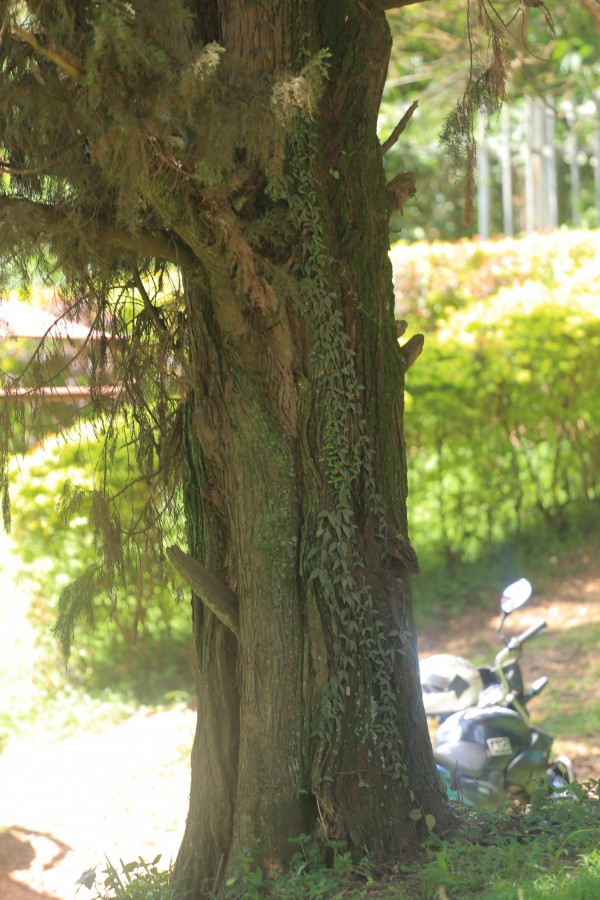
BARK: Grayish brown, 1-2 cm thick, irregularly fissured.
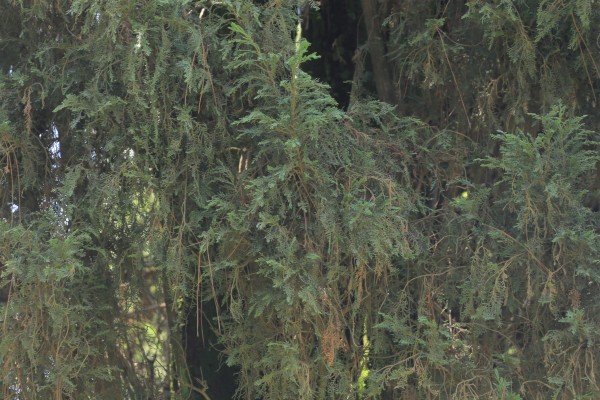
LEAVES: flat sprays, with dark green, 3–5 mm long scale-leaves. Branch-lets are very prickly.
FLOWERS: monoecious (male and female reproductive structures can be found on the same tree and often on the same branch).
FRUITS: Pollen cones are small, about 2-3mm in length and are greenish yellow.
Uses
Medicine: branch tips, leaves, bark, whole plant. https://pfaf.org/user/Plant.aspx LatinName=Chamaecyparis+nootkatensis
The tree can be grown as a tall hedge.
The fibre of the inner bark is fine and soft; it is pounded and spun then used for making blankets, clothing, capes, mats etc. Torn into pieces, it can be used as bandages or for washing babies.
The finely shredded inner bark can be used as tinder.
The wood is used for carving, cabinet work, making boats, implements.
Ecology
Alaska Cedar is native to the West coast of North America, from the Kenai Peninsula in Alaska, South to the Klamath Mountains in Northern most California. It is typically occurring on wet sites in mountains, often close to the tree line, but sometimes also at lower altitudes. C. nootkatensis is is very tolerant of poor soil conditions and can even tolerate slightly acidic soil. It thrives in moist soil and is even sometimes found in waterlogged areas. It has shallow roots that are mychorizial with fungal symbiosis. In Kampala, this tree can be found in Makerere University.
Management
Relatively slow growing, trimming.
Tree gallery