Acrocarpus fraxinifolius
Indian ash, shingle tree
Description
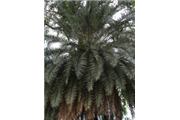
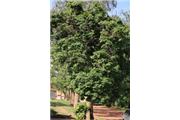
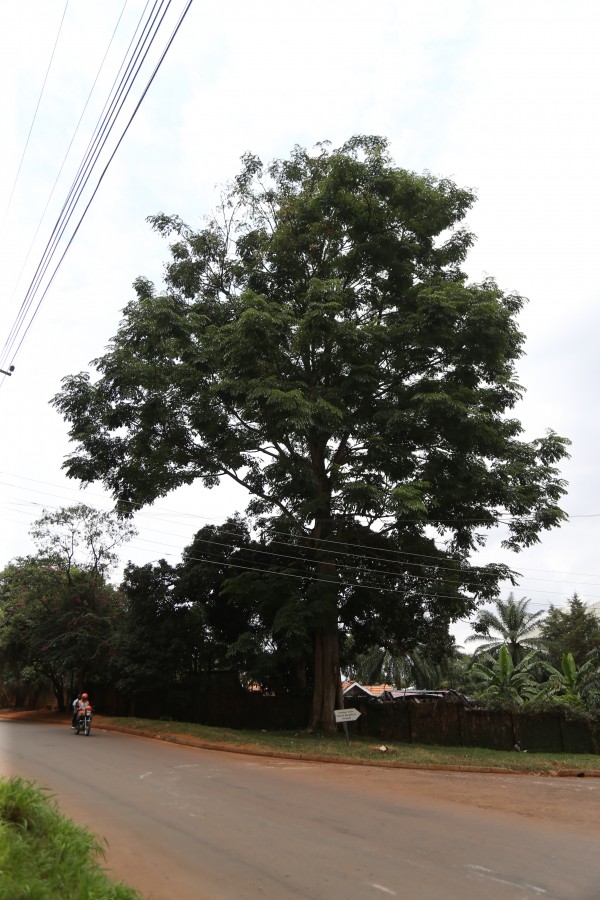
A large tree reaching 60 m. The bole is often buttressed with a long straight trunk. It is an evergreen tree except in areas with a marked dry season.
BARK: pale grey and smooth, trunk and branches bear leaf scars.
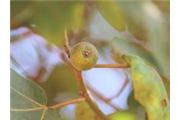
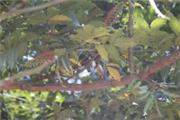
LEAVES: large, bi-pinnate indistinctive fan shapes to 1 m, young red leaveslook likeblossoms, leaflets oval, wavy and pointed to 14 cm.
FLOWERS: appear on the tree when it is leafless, up to 20 dense heads hangdown from branch ends, each 12 cm long, dripping nectar fromthe red-green flowers , short lived.
FRUIT: big bunches of dark brown pods persist on the tree. They split easily to release seed.
Uses
The wood exudes a gum-like resin when the trees are felled.
The wood provides timber for interior trim, paneling, furniture and cabinet work, construction, floors, stairways, doors, tea crates, beehive frames, and after being impregnated, for railway ties, making tools, turnery, carving and polishing.
The wood provides firewood and charcoal.
An ornamental tree.
Agroforestry: the foliage is used as fodder, and the flowers are a source of nectar for honey bees, adds atmospheric nitrogen to the soil, used for the reforestation of open areas, suitable for mulching, shade tree on tea and coffee plantations, planted as a windbreak in some areas, reinforces river banks and to stabilize terraces.
Provides roof shingles .
Ecology
Acrocarpus fraxinifolius originates from tropical Asia, where it occurs naturally from Nepal and India to Thailand, southern China and western Indonesia. It is widely distributed in India, Tropical America, but also in several countries in Tropical Africa: Liberia, Nigeria, Rwanda, Burundi, Kenya, Uganda, Tanzania, Malawi, Zambia, Zimbabwe and Madagascar. It grows best in sub-montane areas in the more humid tropics with a short dry spell. It is most suitable for moderate altitudes with red soil and a moist climate, but can also stand some drought, 1,000-1,500 m. In Kampala, Indian ash can be found at Makerere university, Uganda Golf course club, Haji Musa Kasule road, Speke road among other places.
Management
Very fast growing; pollarding, coppicing (only while young).
Tree gallery
.jpg)