Senna spectabilis (Cassia spectabilis)
Cassia
Description
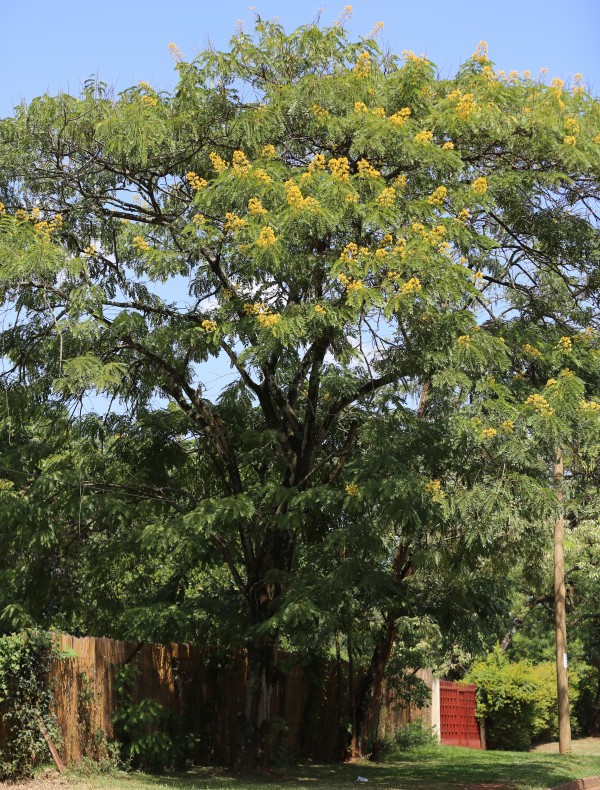
Senna spectabilis is a tree with a very dense, spreading crown; it can grow 7 - 18 meters tall and it can achieve a diameter of 30cm. The bole is short and tends to fork near the ground, and is wide spreading with drooping, leafy branches.
BARK: smooth, grey with horizontal markings, many warts and short fissures, rougher with age with broad vertical bands of large lenticels (corky pores). Twigs stout, brown with light dots (lenticels), finely hairy; young parts softly pubescent.
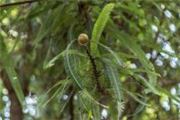
LEAVES: alternate, compound to 40 cm, with many pointed leaflets, often softlyhairy below.
FLOWERS: golden yellow in erect pyramidclusters to 60 cm high , all over the tree.
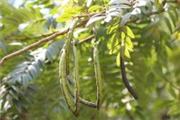
FRUIT: long cylindricalor flattened pods, turning from green to black,the seeds inseparate compartments.
Uses
Agroforestry: can be grown as a hedge, leaves can be used as mulch, plant can be grown for shade and as a boundary marker, provides forage for bees (Apiculture).
An ornamental in gardens, parks, along streets and provides shade.
Medicine: leaves. http://tropical.theferns.info/viewtropical.php id=Senna+spectabilis
The wood is used for small implements, tool handles, boxes.
The wood is used for fuel and to make charcoal.
Ecology
This tree is native to central and northern South America. It has been introduced in Africa as an ornamental. Cassia spectabilis is tolerant of cool conditions (15-25 C) and therefore suitable for elevations up to 2,000 m. It grows well with a mean annual rainfall of 800-1,000 mm in deep, moist, sandy or loamy soils. It can be evergreen in climates with rain all year round, but can become deciduous in areas with dry seasons. In Uganda it is widely cultivated as a boundary marker and in woodlots, especially in Central and Western Regions. In Kampala, Cassia can be found along Archer road, Haji Musa Kasule road, within Uganda Golf course club, Makerere University among other places.
Management
Fast growing on good sites and slow in dry sites; coppicing, pruning to develop strong structure.
Tree gallery
.jpg)
.jpg)
.jpg)
.jpg)