Prunus africana (Pygeum africanum)
Red stinkwood, African cherry, Iron wood, African plum, African prune
Luganda: Ngwabuzito, ntasesa Lugishu: Chiramat, charamandi Rukiga: Musuba.
Description
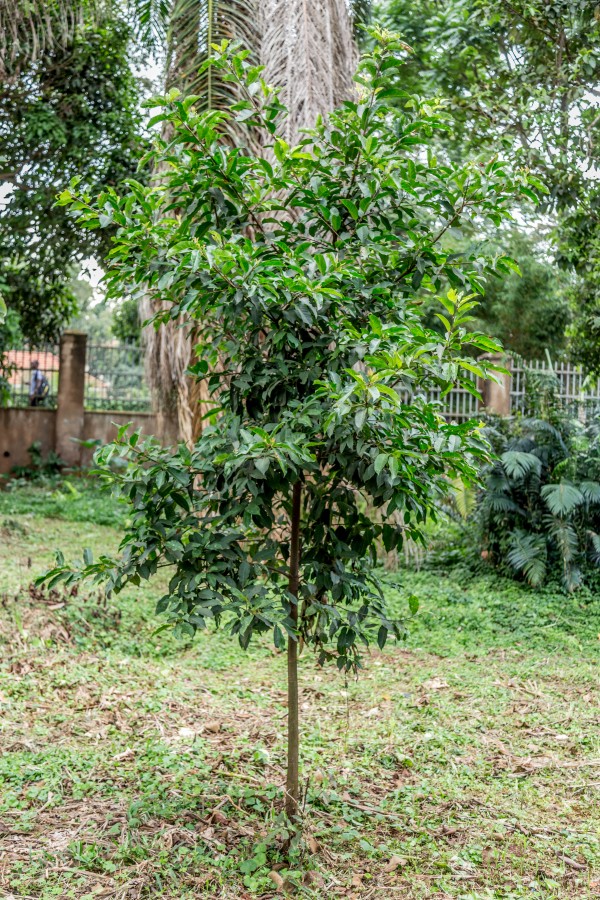
An evergreen tree to 40 m. In forests, the high foliage is open, the branches often pendulous, small buttresses occasionally present. The bole has a diameter of up to 1 meter and can be branchless for the first 10 meters.
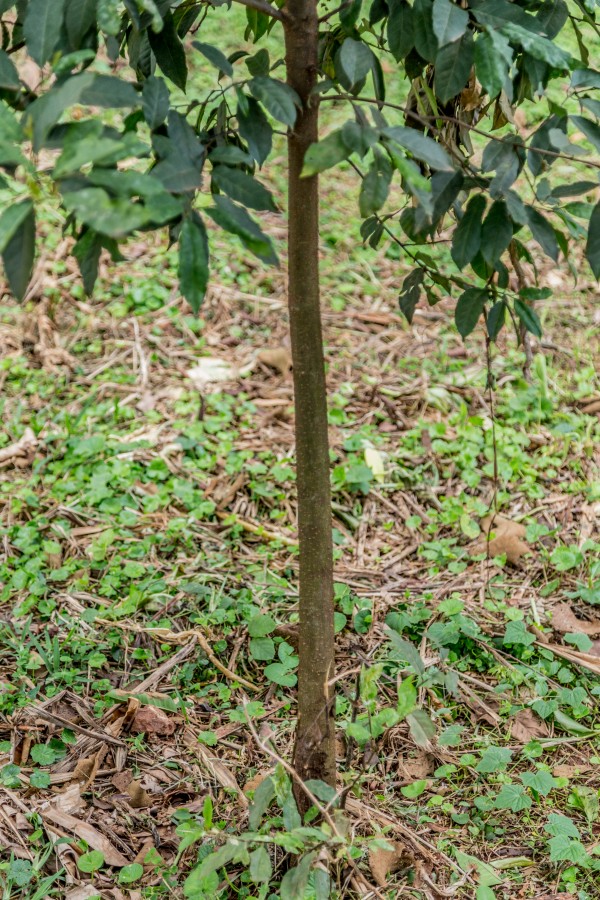
BARK: rough, dark, black to brown, corrugated or fissured, scaling irregularly, branches corky, branchlets dotted with breathing pores.
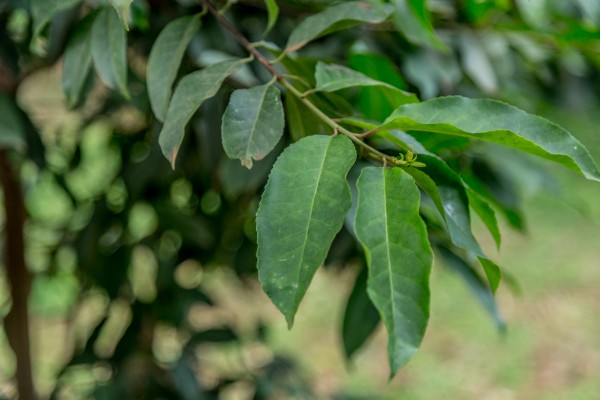
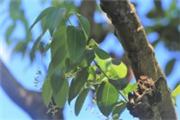
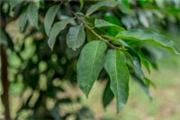
LEAVES: alternate, leathery, glossy dark green above, oval to 10 cm, margin with shallow rounded teeth, leaf stalk typically pink, to 2 cm. Crushed leaves have a bitter almond smell. A central vein is depressed on top, prominent on the bottom. The 2 cm (0.8 in) petiole is pink or red.
FLOWERS: sprays on stalks about 8 cm long, very small, fragrant, green-white.
FRUIT: rounded about 1 cm, dark red, often bi-lobed, containing one seed and topped by a persistent style.
Uses
Medicine: bark, the leaves, and fruit. http://tropical.theferns.info/viewtropical.php id=Prunus+africana
Agroforestry: the tree is used for erosion control, shade, shelter, windbreak and fallen leaves act as a green manure, provides bee forage.
An ornamental tree.
Provides timber for flooring, heavy construction where durability is not required, furniture and household utensil like mortars.
The tree yields firewood and charcoal.
Provides poles.
Ecology
A useful timber tree widespread from West to South Africa, usually in high-rainfall areas, but it is becoming rare in some places due to over-exploitation. In Uganda it grows in moist tropical rain forests, 1,100-2,200 m. Abundant in mixed forests, forest edges and gallery forests. The biggest specimens grow in the Bwindi and Kalinzu Forests and on parts of Mt. Elgon. In Kampala, Red stinkwood can be found along Coral crescent, Impala avenue, within Uganda Golf course club among other places.
Management
Fairly slow growing.
Tree gallery