
Mangifera odorata
Saipan Mango, Fragrant Mango, Kuini, Kweni, Kuweni, Kuwini, Wani, kurwini mango
Description
A medium-sized tree, 10-15 m, rarely exceeding 20m height.
BARK: grey bark, containing irritant sap.
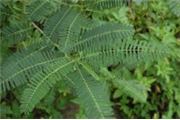
LEAVES: smooth, oval-oblong leaves have entire leaf margin. They smell like fresh resin.
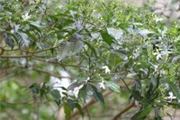
FLOWERS: smell like fresh resin. They are arranged in a pyramidal inflorescence known as a terminal panicle (15-50 cm long). Small flowers (6 mm wide) are composed of 5-6 lanceolate, yellow and light pink petals. The yellow base of the petals turns dark red.
FRUITS: ripe fruits are yellowish green and smell like mangoes (10-13 cm long, 6-9 cm wide). The flesh is sweet, juicy and yellow-orange.
Uses
Edible: Fruits, seeds. http://tropical.theferns.info/viewtropical.php id=Mangifera+odorata
Medicine: Bark. http://tropical.theferns.info/viewtropical.php id=Mangifera+odorata
Agroforestry: A good canopy tree in permaculture gardens, where it is traditionally grown with vegetables or bananas beneath it.
The wood is used locally as machang, but is reportedly of poor quality.
The wood is a source of 'machang' timber.
The wood is suitable for light construction, turnery, flooring, interior panelling, boxes, crates, pallets and plywood manufacture.
Corewood can be used for decorative veneer production.
Ecology
Native to tropical Asia. It thrives below 1000 m in tropical areas with a fairly heavy rainfall that is equally distributed throughout the year; although it grows even with a moderate rainfall (1200 mm) provided there are no prolonged dry periods. It is tolerant of a variety of soil conditions.
Management
It is mainly grown mixed with other tree species in home gardens and village orchards.
Tree gallery